In the world of logistics, understanding why temperature-controlled shipping is important is crucial. Experts agree that proper temperature management during transportation can prevent spoilage and maintain product integrity. Dr. Emily Carter, a leading authority in cold chain logistics, emphasizes, "Temperature is the silent guardian of quality." This highlights the vital role temperature plays in ensuring that sensitive goods arrive safely and efficiently.
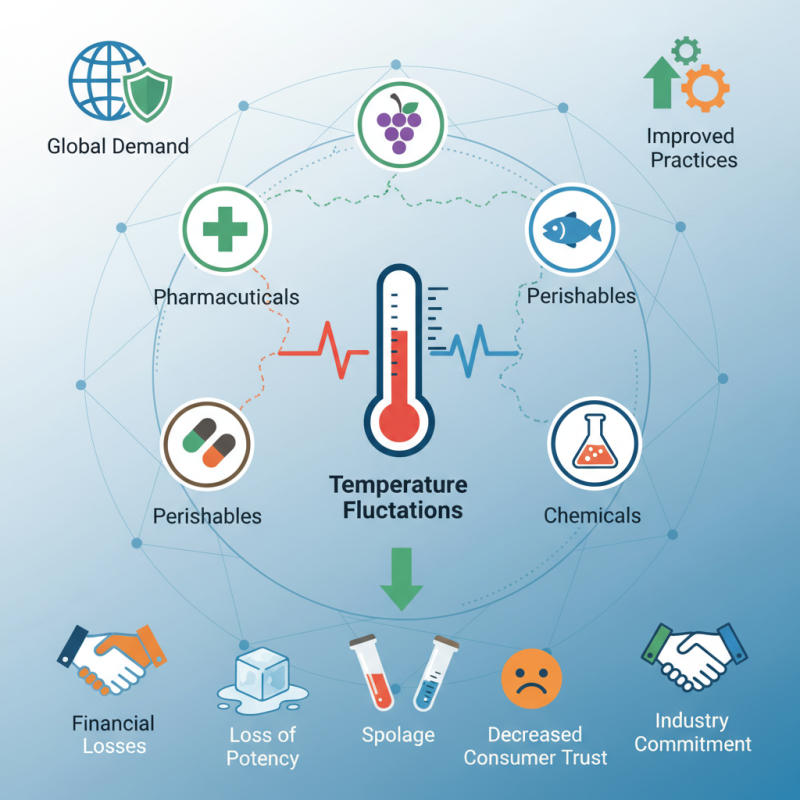
Temperature-sensitive products—including pharmaceuticals, perishables, and certain chemicals—demand careful handling. When these items are exposed to temperature fluctuations, there are significant risks. For instance, vaccines can lose potency if not kept within specific temperature ranges.
However, not all companies understand or prioritize this need. The consequences of neglect can be severe, leading to financial losses and decreased consumer trust. As the demand for temperature-controlled shipping grows, industry leaders must reflect on existing methods and continuously improve their practices. A commitment to excellence in this area is now more important than ever.
Temperature control in shipping perishable goods is crucial for maintaining quality and safety. Many food items, such as fruits, vegetables, dairy, and meat, require specific temperatures to stay fresh. When temperatures fluctuate, products can spoil rapidly. This can lead to significant financial losses for businesses and health risks for consumers.
One of the tips for effective temperature-controlled shipping is to use insulated containers. These containers help maintain consistent temperatures during transport. Additionally, monitoring systems can provide real-time updates on temperature changes. Investing in these technologies ensures that goods arrive in optimal condition.
Another consideration is to train staff on proper handling procedures. Employees must understand how to package and load temperature-sensitive products effectively. Improper handling can lead to cold chain breaks. It’s essential to assess your processes regularly and adapt them to enhance efficiency. A continuous improvement mindset can mitigate risks and boost product reliability.
Temperature fluctuations can severely impact the quality and safety of temperature-sensitive products. In the pharmaceutical industry, proper temperature control is critical. A report from the World Health Organization indicates that improper storage conditions lead to a significant reduction in drug potency. For vaccines, temperatures exceeding 8°C can render them ineffective. This poses serious health risks, particularly in global vaccination efforts.
Food safety is also at stake. According to the U.S. Food and Drug Administration (FDA), food that is not correctly refrigerated can become unsafe within just two hours. In fact, foodborne illnesses affect millions annually. Maintaining strict temperature controls during transport can mitigate these risks. However, not every shipment adheres to these guidelines. This inconsistency raises concerns about public health and product reliability.
Additionally, the cost of temperature excursions can be high. A study by the Cold Chain Federation suggests that the U.S. economy loses approximately $160 billion a year due to spoiled products. This figure underscores the need for reliable shipping solutions. Despite advances in technology, ensuring accountability remains a challenge. Companies must adopt comprehensive strategies to improve their temperature-controlled shipping practices.
Temperature fluctuations can significantly impact the quality and safety of products during shipping. The following chart illustrates the potential effects of temperature variations on different types of products.
Temperature-controlled shipping is essential for many industries. It helps maintain product quality during transportation, which can lead to significant economic benefits. One key advantage is the reduction of spoilage. For perishable goods, even a slight temperature variation can result in loss. Companies save money by preserving their products.
Efficient temperature-controlled shipping can also boost customer satisfaction. When customers receive fresh and intact products, they are more likely to return. This builds trust and fosters long-term relationships. Businesses can charge premium prices for high-quality items. People understand the value of well-preserved products.
Despite these advantages, challenges exist. Not all companies fully embrace temperature control. Some may overlook the initial investment required. They may face higher costs or logistical issues related to technology. Yet, the potential for increased profit often outweighs these hurdles. Investing in reliable systems can yield better outcomes in the long run. Balancing costs against benefits is critical for sustainable growth.
Temperature-controlled shipping is essential for compliance with various regulations in the pharmaceutical and food industries. Many governments enforce strict guidelines to ensure product safety and efficacy. Maintaining specific temperature ranges during transport helps prevent spoilage and degradation. Anomalies in temperature can lead to significant financial losses and safety risks. Regulatory bodies require detailed records of temperature fluctuations throughout shipping. Failure to comply can result in hefty fines or product recalls.
Temperature monitoring involves deploying advanced technology to track conditions during transit. Moreover, companies must train their staff to understand these requirements. Regular audits help ensure compliance. These practices not only foster accountability but also instill consumer trust. However, companies may face challenges in maintaining the required standards consistently. Staff oversight or equipment failures can lead to lapses in temperature control. Each incident serves as a learning opportunity to improve systems and processes.
Investing in temperature-controlled shipping is not just about regulatory compliance; it reflects a commitment to quality. Merchants must navigate complex logistics while ensuring safety. It’s vital to assess suppliers and technologies regularly. A proactive approach can mitigate risks and enhance product integrity. Engaging with experts in temperature control helps build robust frameworks. Good practices today can protect businesses tomorrow.
Temperature-controlled shipping is crucial for the safe delivery of sensitive goods. Recent advancements in technology enhance temperature management during transit. Smart sensors and IoT devices allow real-time monitoring of conditions. These technologies ensure pharmaceuticals, perishables, and other temperature-sensitive items remain within required ranges.
The pharmaceutical industry alone loses billions due to inadequate temperature control. Reports show that about 10% of vaccines are wasted because of improper handling. Technology can mitigate these losses significantly. With accurate tracking, companies can react promptly to temperature fluctuations, maintaining product integrity.
Tips: Regularly calibrate your temperature monitoring devices for best results. Implement a training program for staff to recognize signs of temperature mishaps. Rely on data to analyze trends and improve shipping strategies over time. Continuous learning and adaptation are key to effective temperature control in shipping.
: Temperature control preserves quality and safety. It prevents rapid spoilage and reduces financial losses.
Insulated containers are essential. They help keep products at the right temperature throughout the journey.
Smart sensors and IoT devices provide real-time updates on temperature changes during transit.
Proper training ensures employees handle products effectively. This reduces cold chain breaks and enhances efficiency.
Companies can lower spoilage rates, boost customer satisfaction, and potentially charge premium prices for fresh items.
Initial investments can be high, and logistical issues may arise. Some businesses might overlook these important aspects.
Relying on data helps identify patterns and improve shipping strategies over time. Continuous adaptation is necessary.
Billions are lost annually, with about 10% of vaccines wasted from improper temperature management.
Balancing costs against potential benefits is crucial for long-term sustainability and growth.
Unusual product appearance or smell can indicate temperature issues. Staff should be trained to identify these signs.
Temperature-controlled shipping is essential for preserving the quality and safety of perishable goods during transit. Fluctuations in temperature can significantly impact product integrity, leading to spoilage and health risks. By maintaining stable temperatures, businesses can ensure that their products arrive fresh and compliant with safety regulations, ultimately enhancing customer satisfaction and trust.
Furthermore, the economic benefits of temperature-controlled shipping cannot be overlooked. Efficient temperature management can reduce waste and loss, leading to cost savings and improved profitability. Advances in technology, such as real-time temperature monitoring, have made it easier for companies to maintain compliance with regulatory requirements, making it clear why temperature-controlled shipping is important for both operational success and consumer safety.

NoviLink Logistics