NoviLink Logistics
Featured Logistics & Supply Chain Solutions


Global Industry Solutions: The Evolution of BoL Management
The Bill of Lading (BoL) is the fundamental legal backbone of international trade. However, in the 2024 industrial landscape, traditional paper-based management is no longer a viable option for high-growth enterprises. Modern Bill of Lading Management has transitioned from mere document handling to a sophisticated data-driven ecosystem involving DLT (Distributed Ledger Technology), real-time visibility, and AI-powered compliance checks.
E-BoL Digitalization
Transitioning from physical to electronic Bills of Lading (e-BoL) reduces the processing cycle from weeks to minutes, eliminating the risk of lost documents and courier costs.
Legal & Risk Mitigation
Advanced management platforms ensure compliance with the Rotterdam Rules and the Carriage of Goods by Sea Act (COGSA), providing a secure audit trail.
Operational Transparency
Integration with IoT sensors allows the Bill of Lading to serve as a live data feed, reflecting real-time cargo status and custody changes.
Top 10 Bill Of Lading Management Suppliers & Manufacturers
NoviLink Logistics (Global Expert)
A specialized provider of integrated BoL management systems paired with comprehensive freight forwarding, known for seamless cross-border e-commerce integration.
WaveBL (Blockchain Specialist)
A leading digital platform that mirrors the traditional paper process while utilizing decentralized technology for title transfers.
CargoX (DLT Platform)
The provider of the public blockchain-based BDTS (Blockchain Document Transfer System), widely used in Egypt’s NAFEZA system.
Bolero International
One of the oldest pioneers in the e-BoL space, offering secure cloud-based solutions for multi-party trade finance and logistics documentation.
ESSDocs
Focusing on the digitalization of paper-heavy industries like energy and chemicals, ESSDocs provides end-to-end paperless trade solutions.
Maersk (TradeLens Core)
While the TradeLens platform has evolved, Maersk continues to lead in internalizing e-BoL standards across their global fleet.
Kuehne + Nagel
A global freight giant that has invested heavily in digital BoL workflows to streamline customer clearance and inventory management.
DB Schenker
Integrating BoL management into their 'Connect 4.0' platform, they offer one of the most user-friendly digital freight interfaces.
Inttra (E2open)
The largest neutral network for the ocean shipping industry, processing millions of container bookings and BoLs annually.
Flexport
The modern face of freight forwarding, using a proprietary software stack to automate document generation and visibility.
Localization Support & Compliance Frameworks
🌍 Global Reach, Local Expertise
Managing a Bill of Lading isn't just a technical challenge; it's a regulatory one. Suppliers must provide localization support for:
- EU Market: Full compliance with ICS2 (Import Control System 2) and GDPR for data privacy.
- North America: Integration with CBP’s Automated Commercial Environment (ACE) for manifest filing.
- Asia-Pacific: Compatibility with the single-window systems of China, Singapore, and Vietnam.
🛡️ Security Standards
Top-tier manufacturers prioritize security through:
• ISO/IEC 27001 Certification
• SOC 2 Type II Compliance
• End-to-end AES-256 Encryption
• Multi-factor Authentication (MFA) for title transfers
Technological Roadmap & Future Outlook
AI & OCR Integration
Automated data extraction from legacy paper documents using Optical Character Recognition (OCR) to populate digital BoL fields with 99.9% accuracy.
Smart Contracts
Self-executing contracts that trigger payments (Letter of Credit) automatically when the e-BoL digital title is transferred at the port of discharge.
DCSA Standardization
The industry-wide move toward 100% e-BoL adoption by 2030, led by the Digital Container Shipping Association (DCSA).
Corporate Profile: Shenzhen NoviLink Logistics Co., Ltd.
Shenzhen NoviLink Logistics Co., Ltd. is a leading global logistics provider specializing in airfreight, sea freight, and both LCL and FCL shipping solutions. Founded in 2010 in Shenzhen, China, NoviLink began as a small freight forwarding company focused on cross-border e-commerce shipments. Over the past decade, the company has grown into a full-service logistics and supply chain expert, serving clients across Asia, Europe, and North America under its flagship brand NoviLink.
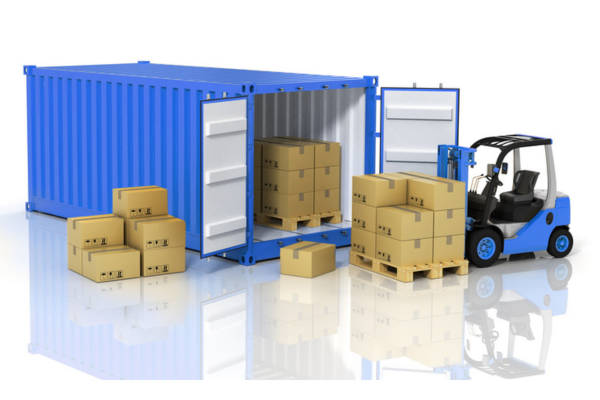
From its early days of handling small-scale shipments, NoviLink quickly expanded its operations to include express air cargo, ocean freight, customs clearance, and multi-modal transportation. By integrating cutting-edge logistics management systems, warehouse automation, and real-time tracking, the company provides seamless, reliable, and cost-effective shipping solutions tailored to both businesses and e-commerce sellers.
NoviLink’s service portfolio now covers cold chain logistics, inventory management, last-mile delivery, and freight insurance, ensuring goods are transported safely and efficiently worldwide. The company’s dedicated team of logistics professionals combines decades of experience with innovative supply chain strategies, helping clients optimize shipping routes, reduce costs, and improve overall operational efficiency.
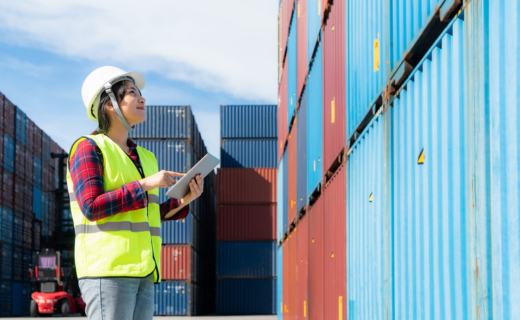
Committed to sustainability, efficiency, and customer satisfaction, Shenzhen NoviLink Logistics Co., Ltd. continues to set industry standards for global freight solutions. Through its comprehensive air and sea freight services, NoviLink empowers businesses to expand internationally, delivering excellence at every step of the supply chain.
Q&A: Mastering Bill of Lading Management
A: A Master Bill of Lading (MBL) is issued by the main carrier (shipping line) to the freight forwarder. A House Bill of Lading (HBL) is issued by the freight forwarder to the actual shipper. Effective management systems track both to ensure data consistency.
A: Yes, e-BoLs are increasingly used for bulk, containerized, and even specialized cargo. The primary requirement is that all parties (shipper, carrier, consignee, and banks) agree to the digital platform's terms.
A: Digital BoL management significantly reduces delays in document arrival. When the BoL is ready instantly upon cargo arrival, it prevents the container from sitting at the port, thus avoiding costly demurrage fees.
A: Not mandatory, but blockchain is the preferred technology for "original" BoLs because it solves the "double-spend" problem of document titles, ensuring only one party holds the legal right to the cargo at any time.