NoviLink Logistics
Featured Logistics & Infrastructure Products (Group A)
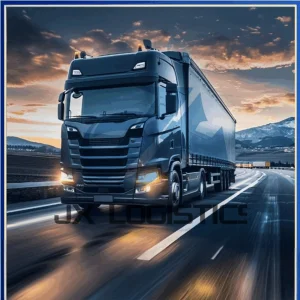
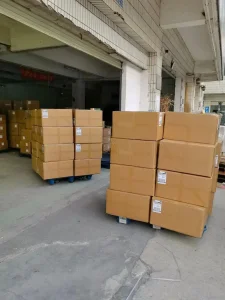
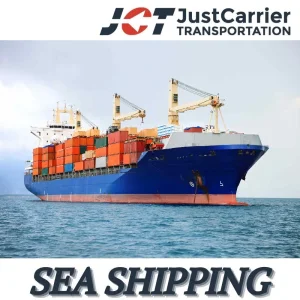
Who is Shenzhen NoviLink Logistics Co., Ltd.?
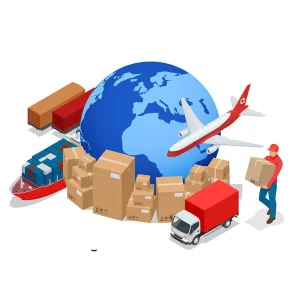
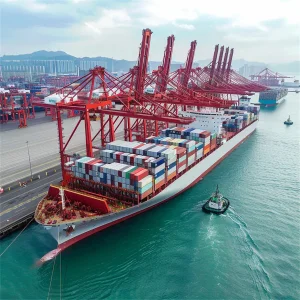
Shenzhen NoviLink Logistics Co., Ltd. is a leading global logistics provider specializing in airfreight, sea freight, and both LCL and FCL shipping solutions. Founded in 2010 in Shenzhen, China, NoviLink began as a small freight forwarding company focused on cross-border e-commerce shipments. Over the past decade, the company has grown into a full-service logistics and supply chain expert, serving clients across Asia, Europe, and North America under its flagship brand NoviLink.
From its early days of handling small-scale shipments, NoviLink quickly expanded its operations to include express air cargo, ocean freight, customs clearance, and multi-modal transportation. By integrating cutting-edge logistics management systems, warehouse automation, and real-time tracking, the company provides seamless, reliable, and cost-effective shipping solutions tailored to both businesses and e-commerce sellers.
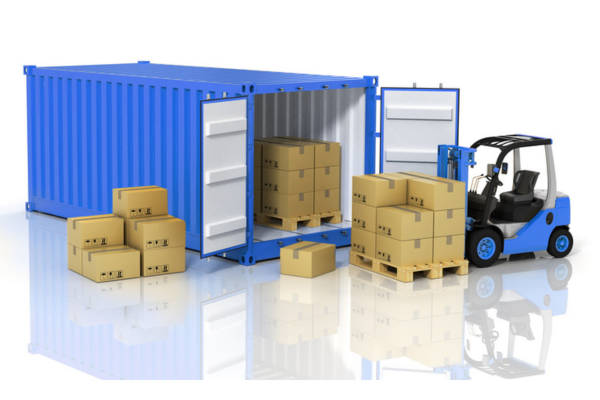
Comprehensive Logistics Infrastructure
NoviLink’s service portfolio now covers cold chain logistics, inventory management, last-mile delivery, and freight insurance, ensuring goods are transported safely and efficiently worldwide. The company’s dedicated team of logistics professionals combines decades of experience with innovative supply chain strategies, helping clients optimize shipping routes, reduce costs, and improve overall operational efficiency.
Committed to sustainability, efficiency, and customer satisfaction, Shenzhen NoviLink Logistics Co., Ltd. continues to set industry standards for global freight solutions. Through its comprehensive air and sea freight services, NoviLink empowers businesses to expand internationally, delivering excellence at every step of the supply chain.

Engineered to Handle the Unforgiving
Macro-Industry Solutions: Designing Out Damage
Fragile goods logistics is no longer a matter of simply adding "Handle with Care" labels. As global supply chains become more complex and high-speed sorting facilities become the industry standard, fragile cargo is subjected to unprecedented levels of physical stress. Modern handling requires a multi-layered engineering approach combining structural shock isolation, customized chemistry in packaging materials, and real-time physical monitoring.
ISTA-Certified Drop & Vibration Testing
Implementing ISTA 3A and 6-Amazon standards ensures that OEM/ODM custom packaging designs are simulated for atmospheric pressure changes, random vibration, and multiple angle drops before mass production.
Structural Physics & Shock Dissipation
Using customized Expanded Polyethylene (EPE), Ethylene-Vinyl Acetate (EVA), and molded pulp inserts to absorb and redistribute impact forces, ensuring critical internal components experience <15 G-forces upon drop.
Continuous Micro-vibration Mitigation
Custom shipping crates designed with internal air-ride suspension and specialized dampening mounts to combat continuous high-frequency engine hums during cross-continental rail and highway transits.
The China Factory Advantage: Seamless OEM/ODM Supply Chains
China’s manufacturing landscape has transitioned from high-volume assembly to advanced, vertically integrated, and engineering-driven OEM/ODM production. When sourcing packaging and logistics solutions for fragile goods, this integration provides an unmatched competitive edge:
1. Complete Material Sourcing Ecosystem
From heavy-duty triple-wall corrugated cardboard to anti-static, customized foam density formulations (EPS, EPE, PU), Chinese factories situated in logistics hubs like Shenzhen and the Pearl River Delta have direct, low-cost access to state-of-the-art materials. This reduces turnaround time for prototype protective containers from weeks to days.
2. Integrated Design-to-Ship Workflows
By combining physical manufacturing with logistical packaging design at the source, Chinese OEM/ODM suppliers optimize the exact dimensions of secondary and tertiary packaging. This ensures maximum volumetric efficiency for ocean containers (FCL) or air shipping pallets, reducing dead space and overall shipping costs.
3. Automated Drop Testing & Quality Control
Top-tier Chinese factories utilize automated testing equipment, including programmable drop testers, incline impact testers, and vertical vibration tables. Every batch of fragile goods handling packaging is rigorously tested under load, ensuring guaranteed performance metrics before leaving the factory floor.
4. Strategic Geographic Proximity to Global Logistics Hubs
With direct pipeline routes to the ports of Shenzhen, Guangzhou, and Hong Kong, cargo moves from manufacturing lines to maritime vessels or cargo planes under unified quality supervision, minimizing unnecessary handling steps where damage is most likely to occur.
Global Trends Shaping Fragile Goods Logistics
Staying ahead of the curve requires an understanding of where the industry is moving. Technology, strict environmental compliance, and data-driven visibility are changing how fragile and high-value materials cross oceans.
IoT Real-Time Tracking & G-Force Alerts
Real-time IoT sensors monitor shock, tilt, temperature, and humidity during transit. Immediate notifications are sent to control centers if G-forces exceed safety thresholds, enabling preventative inspections.
Sustainable & Circular Bio-Packaging
Global regulations are pushing suppliers away from single-use plastics. The industry is rapidly adopting biodegradable molded starches, mycelium-based shock cushions, and highly recyclable structured paperboards.
Automated & Soft-Robotics Warehousing
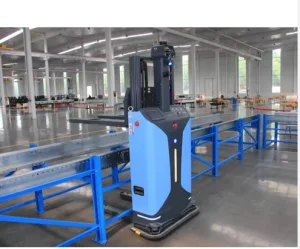
Integration of AGVs (Automated Guided Vehicles) and soft-gripper robotic sorting decreases human-handling errors, ensuring smooth deceleration curves during high-throughput palletizing.
Localized Applications: From High-Tech to Heavy Industry
Fragile goods require different protocols depending on their vertical market. Our comprehensive logistics services customize transportation paths and packaging styles for various sensitive industries:
Precision Electronics & Semiconductor Wafers
Semiconductor capital equipment and fragile silicon wafers require micro-vibration mitigation, anti-static electrostatic discharge (ESD) wrapping, and complete dust-free packaging. Our services ensure moisture-controlled and air-ride truck transit from factory cleanrooms directly to global integration hubs.
Medical Imaging Equipment & Scanners
Heavy, high-value medical diagnostic tools such as MRI magnets and CT scanners contain sensitive internal optical alignments. Standard sea freight can degrade these systems due to pitch and roll. We design customized ocean flat-rack solutions combined with multi-directional impact indicators.
Architectural Glass & Composite Panels
Large-span glass structures and structural composite elements require specialized heavy-duty wooden frames, rubber-dampened separators, and A-frame transport configurations. This prevents lateral shear stresses during sharp truck turns or rough sea movements.
High-End E-Commerce Cosmetics & Luxury Glassware
In the B2C sector, packaging must protect the product while maintaining an elegant unboxing experience. We engineer OEM custom double-wall boxes with customized, precision-cut EVA foam inserts, balancing aesthetics with structural strength.
Addressing Global Enterprise Procurement Demands
For global procurement directors, purchasing delicate components requires partners with proven supply chain risk mitigation strategies. Modern supplier evaluation focuses on key variables:
- SLA Guarantees: Contractual obligations specifying maximum allowable damage rates (target < 0.1%).
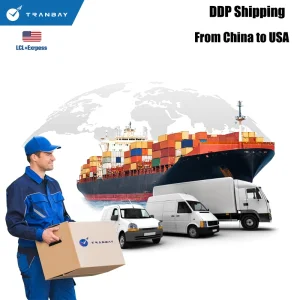
- DDP & DDU Customs Friction Mitigation: Smooth customs clearance through established corridors to prevent long delays in non-climate-controlled port facilities.
- Carbon Footprint Accounting: Detailed emission reports for multi-modal routing to comply with corporate ESG reporting.
- Multi-tiered Risk Underwriting: Full-value transit insurance options covering physical damage, thermal degradation, and transit-related delay losses.
Frequently Asked Questions: Fragile Logistics Engineering
Our logistics and packaging engineers address critical procurement and design challenges:
What defines a product as "fragile cargo" in global shipping standards?
Fragile cargo is defined by its susceptibility to damage from standard dynamic forces (shock, vibration, compression) or environmental shifts (temperature, humidity, atmospheric pressure). Typically, any item with a G-force fragility rating under 50 Gs (such as precision medical sensors, luxury glass bottles, and thin-film electronics) requires custom packaging and specialized shock-absorbing handling to prevent structural failures.
How does NoviLink Logistics prevent damage to delicate goods during ocean transit?
NoviLink implements a strict containment protocol: using moisture-absorbing desiccants inside vapor-barrier bags, securing items in heavy-duty wooden crates with internal rubber dampeners, and using smart container stowage plans (stowing sensitive cargo in the center-low section of the vessel to minimize the pitch and roll forces of ocean swells).
What is the difference between ISTA 3A and ISTA 6 testing standards?
ISTA 3A is a general standard for testing packaged products moving through parcel delivery systems (covering drops, vibrations, and compression). ISTA 6 is customized for specific retailers (like Amazon’s SIOC or Overbox requirements). ISTA 6 is generally more rigorous, ensuring that packaging minimizes material waste while still preventing product damage in rapid-fulfillment environments.
Can we customize structural shock foam inserts for OEM/ODM projects?
Yes. Our engineers analyze CAD files of your products to design custom-machined or injection-molded inserts using EPE, EVA, or biodegradable starches. We match the foam density to the product's weight and fragility rating to ensure maximum impact absorption during drop events.
How does customs clearance affect transit times for temperature-sensitive fragile cargo?
Unplanned customs delays at port terminals can expose cargo to thermal extremes. NoviLink mitigates this risk through pre-filing customs documentation, using dynamic routing, and maintaining relationships with customs officials. We also utilize high-efficiency active and passive thermal cooling containers to protect temperature-sensitive goods during processing.
What tracking capabilities are available for high-value logistics shipments?
We offer active GPS/cellular IoT tracking devices that attach directly to the product pallet or crate. These sensors transmit real-time location data along with physical updates on internal temperature, humidity, tilt angles, and G-force shocks, ensuring complete visibility throughout the shipping process.
Specialized Shipping & Logistics Solutions (Group B)