 NoviLink Logistics
Featured Smart Logistics & Transit Modules
Premium infrastructure and cargo shipping services tailored for Mali's transit corridors and urban last-mile challenges.
The Mali Logistics Frontier: Navigating West Africa's Landlocked Distribution Grid
Mali, as a landlocked nation located in the heart of West Africa's Sahelian zone, presents one of the most complex logistics and distribution environments globally. Without direct access to coastlines, Mali relies heavily on international transit corridors connecting it to major oceanic ports in neighboring countries, primarily Senegal (Port of Dakar), Côte d'Ivoire (Port of Abidjan), Togo (Port of Lomé), and Guinea (Port of Conakry).
The domestic supply chain of Mali relies on over-the-road trucking, where infrastructural challenges, customs processing delays, and safety regulations can dramatically slow transit times. In particular, the final stretch of the supply chain—the last-mile delivery—has historically been the most inefficient and costly phase of goods distribution. The absence of structured physical addressing systems outside major municipal zones like Bamako forces couriers to navigate via local landmarks, causing delivery delays and high operational costs.
However, with the rapid digitization of urban centres, the rise of mobile payment networks, and the expansion of domestic e-commerce in Bamako, Sikasso, and Kayes, there is a surging demand for smart, automated, and secure last-mile infrastructure. Businesses are adopting smart lockers, secure distribution hubs, and advanced freight forwarding solutions to streamline these logistics pipelines.
Transit Corridors
Strategic logistics routes extending from Dakar, Senegal and Abidjan, Côte d'Ivoire straight to Mali's domestic distribution hubs.
Urban Last-Mile Digitization
Integration of QR code automated parcel systems and localized warehousing in Bamako to circumvent the lack of traditional address mapping.
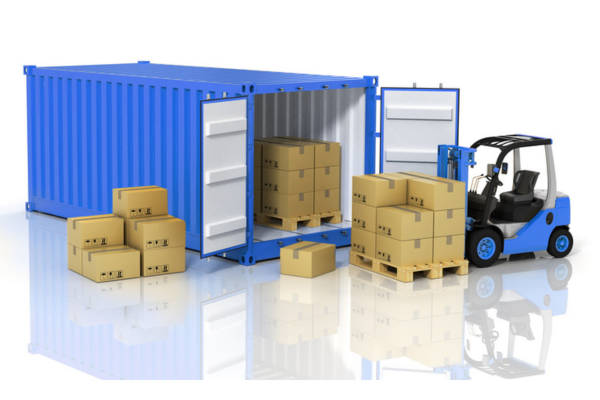
Shenzhen NoviLink Logistics Co., Ltd.
Global Supply Chain Authority Since 2010
Shenzhen NoviLink Logistics Co., Ltd. is a leading global logistics provider specializing in air freight, sea freight, and both LCL and FCL shipping solutions. Founded in 2010 in Shenzhen, China, NoviLink began as a small freight forwarding company focused on cross-border e-commerce shipments. Over the past decade, the company has grown into a full-service logistics and supply chain expert, serving clients across Asia, Europe, and North America under its flagship brand NoviLink.
From its early days of handling small-scale shipments, NoviLink quickly expanded its operations to include express air cargo, ocean freight, customs clearance, and multi-modal transportation. By integrating cutting-edge logistics management systems, warehouse automation, and real-time tracking, the company provides seamless, reliable, and cost-effective shipping solutions tailored to both businesses and e-commerce sellers globally, with a strong focus on emerging markets in West Africa.

NoviLink’s service portfolio covers cold chain logistics, inventory management, last-mile delivery, and freight insurance, ensuring goods are transported safely and efficiently worldwide. The company’s dedicated team of logistics professionals combines decades of experience with innovative supply chain strategies, helping clients optimize shipping routes, reduce costs, and improve overall operational efficiency.
Committed to sustainability, efficiency, and customer satisfaction, Shenzhen NoviLink Logistics Co., Ltd. continues to set industry standards for global freight solutions. Through its comprehensive air and sea freight services, NoviLink empowers businesses to expand internationally, delivering excellence at every step of the supply chain.
Global Tech Trends: Revolutionizing Last-Mile Logistics
How automation, IoT, and high-capacity driverless robotics are reshaping urban logistics on a global scale.
Autonomous Ground Vehicles (AGVs)
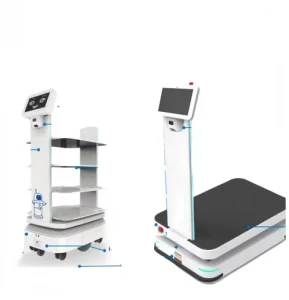
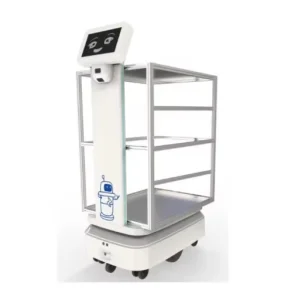
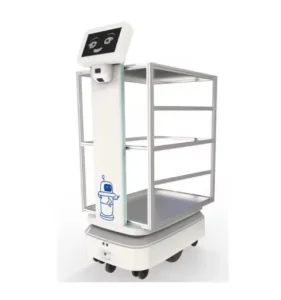
Self-driving delivery robots utilize LiDAR and ultrasonic sensor suites to navigate congested urban corridors autonomously, cutting down personnel costs and optimizing safety margins.
Decentralized Smart Lockers
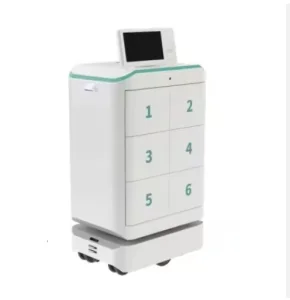
Modular physical parcel boxes equipped with solar power modules, offline encryption keys, and QR code access systems provide secure drop-off zones, resolving local addressing hurdles.
Real-Time IoT Telematics
Continuous sensor tracking transmits temperature, humidity, shock, and precise geolocations, ensuring complete supply chain transparency across cross-border lanes.
Sahel-Resistant Engineering
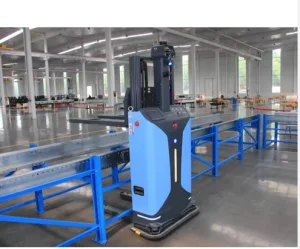
Weatherproof high-capacity cargo robots built with dust-proof ventilation systems and rugged tires, designed specifically to operate under hot Sahelian climates.
Localized Application Scenarios in Mali
Bridging global manufacturing technologies and shipping pipelines with regional commerce dynamics in West Africa.
Bamako E-Commerce Delivery
Overcoming unstructured address layouts in Bamako's fast-growing metropolitan area. Utilizing strategically positioned smart locker banks where customers scan dynamic QR codes received via mobile money apps to pick up their shipments securely.
Mining Site Logistics
Providing secure, DDP (Delivered Duty Paid) multi-modal transport lines to remote mining facilities (such as those in the Kayes region). Heavy cargo is tracked via satellite IoT sensors and delivered using high-payload, off-road autonomous logistics vehicles.
Sahelian Cold Chain
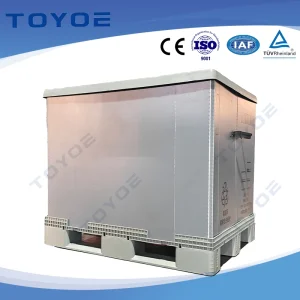
Transporting temperature-sensitive pharmaceutical and chemical goods from Bamako-Sénou International Airport to regional clinics, using insulated storage boxes and active thermal control units powered by integrated battery banks.
Specialized Freight & Cross-Border Delivery Systems
Further logistics integrations for transnational shipping networks and driverless commercial fulfillment.
Macro Logistics Industry Solutions & Multi-Modal Corridors
Operating shipping services to Mali requires an deep understanding of transnational transport corridors. The Dakar-Bamako railway corridor and road networks running through Senegal and Mali handle the majority of imports. Similarly, the Abidjan-Bamako corridor provides a direct highway system from the coast of Côte d’Ivoire.
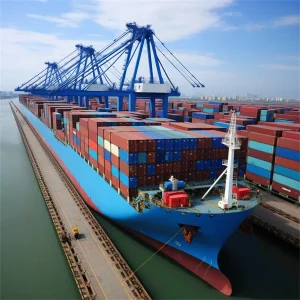
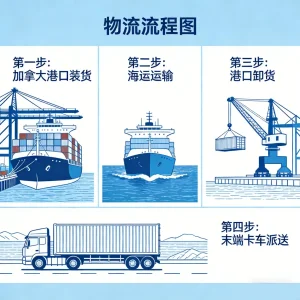
NoviLink integrates cross-border customs brokerage, digital tracking, and micro-consolidation terminals at key border checkpoints (such as Diboli and Zégoua). This network design enables smooth transitions from ocean container freight (FCL/LCL) to local last-mile distribution networks, minimizing logistics bottlenecks.
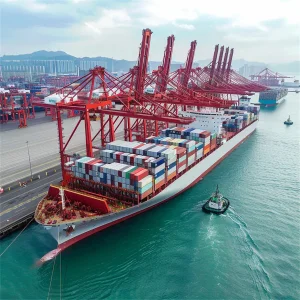
FCL & LCL Port Consolidation
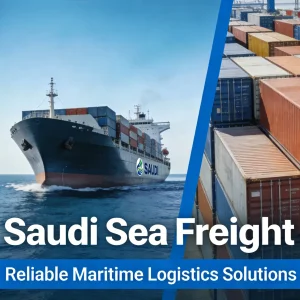
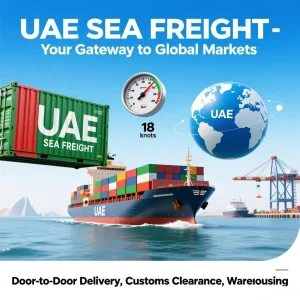
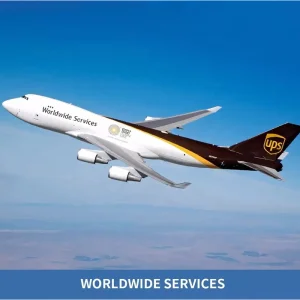
Goods are received and consolidated at NoviLink's high-efficiency automated hubs in Shenzhen, Ningbo, and Shanghai, followed by secure dispatch via sea corridors to Dakar or Abidjan, or via direct air routes to Bamako-Sénou International Airport.
DDP Clearance & Border Crossing Management
NoviLink's localized agencies manage customs documentation, tariff classification, and cargo security clearance, routing shipments along secure roads to Mali.
End-Point Smart Locker Storage & Autonomous Delivery
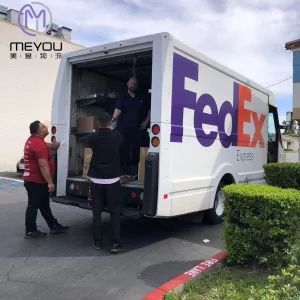
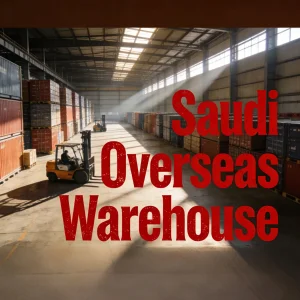
Upon reaching the local warehouse in Bamako, parcels are sorted and routed to dynamic offline QR locker boxes or dispatched via off-road automated robots for final handoff.
Autonomous Delivery Systems & Local Warehouse Solutions
Premium driverless delivery robots, hospitality service assistants, and local warehousing solutions engineered for global transport pipelines.
Expert Q&A: West Africa Last-Mile Logistics
Common questions concerning shipping routes, import regulations, autonomous systems, and freight rates for Mali.